
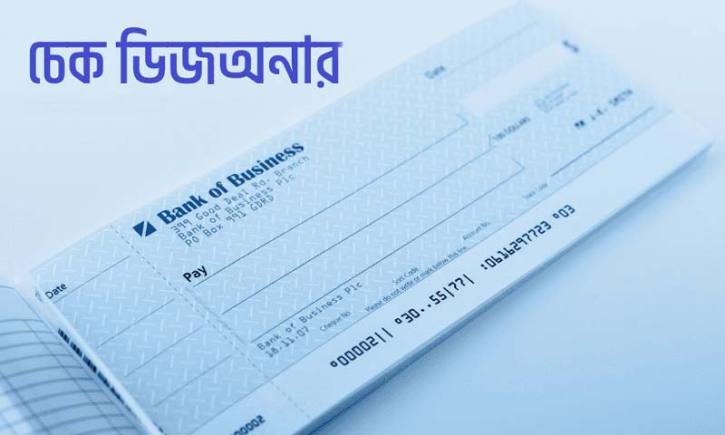
1. Prerequisites & Timeline (Most Important)
You cannot file a case immediately after a check bounces. You must follow a strict legal timeline. If these deadlines are missed, the case cannot be filed under Section 138.
-
Step 1 (Presenting the Check): The check must be presented to the bank within 6 months of the date written on it.
-
Step 2 (Collecting Dishonor Slip): If the bank informs you that there is “Insufficient Funds” or another issue, they will provide a Dishonor Slip. You must collect this document.
-
Step 3 (Sending Legal Notice): You must send a Legal Notice to the check issuer (the accused) within 30 days from the date the check was dishonored (bounced).
-
It is best to send this via a lawyer using Registered Post with A/D (Acknowledgement Due).
-
In the notice, you must give the accused 30 days to pay the amount.
-
-
Step 4 (Filing the Case): If the accused does not pay within the 30 days mentioned in the notice, you must file the case in court within the next 30 days.
2. Where and How to File?
-
Court: The case must be filed in the Court of the Judicial Magistrate or Metropolitan Magistrate having jurisdiction over the area where the check was presented/dishonored or where the complainant resides/does business.
-
Required Documents:
-
The Original Check.
-
The Bank Dishonor Slip.
-
Copy of the Legal Notice.
-
Postal Receipt and A/D Card (or the returned envelope if undelivered).
-
Copy of National ID (NID).
-
The Complaint Petition (Arzi) – drafted by a lawyer.
-
3. Trial Process
-
Initial Deposition: The Magistrate will record the statement of the complainant (plaintiff) and take cognizance of the case.
-
Summons: The court will issue a Summon to the accused. If they do not appear, a Warrant may be issued.
-
Bail: The accused can surrender to the court and seek bail. Since this is a bailable offense, bail is usually granted.
-
Charge Framing & Trial: The court frames charges against the accused. Witnesses (Complainant, Bank Officials, etc.) provide testimony.
-
Judgment: After arguments from both sides, the court delivers the verdict.
4. Punishment (Under Section 138)
If the crime is proven, the court can award the following punishments:
-
Imprisonment for up to 1 (one) year; OR
-
Fine up to 3 (three) times the amount of the check; OR
-
Both (Imprisonment and Fine).
(Note: The amount of the check is usually paid to the complainant from the fine, and the rest goes to the government treasury.)
5. Appeal Process
If the accused is convicted, they can appeal to the Higher Court (Sessions Judge Court). However, a condition applies:
-
The accused must deposit 50% of the fined amount to the court to file an appeal.
6. Compromise/Settlement
Both parties can settle the matter (Compromise) inside or outside the court at any stage of the trial. If the complainant receives the money, they can withdraw the case.
Important Advice:
-
Calculation of Time: The timeline for sending the notice and filing the case is extremely sensitive. A delay of even one day can cause the case to be dismissed.
-
Lost Check: If a check is lost or stolen, file a General Diary (GD) immediately and issue a ‘Stop Payment’ order at the bank.
-
Legal Aid: Always consult an experienced lawyer to handle these cases, as procedural technicalities are strict.